
“Mobile gaming app development is more than coding; it’s about crafting experiences that spark joy, excitement, and connection. By blending creativity with powerful tools like Unity, Unreal, and AR/VR technologies, developers bring immersive worlds to life on every device. From AI-driven personalization to cloud-enabled multiplayer adventures, today’s games entertain, challenge, and connect players across the globe. The future of mobile gaming is boundless, emotional, and endlessly inspiring.”
Have you ever noticed how a simple game on your phone can change your entire mood? One moment you’re waiting in line or sitting on a long commute, and the next, you’re immersed in a world of adventure, strategy, or friendly competition. That’s the magic of mobile gaming app development. It’s not just about code and graphics; it’s about creating experiences that connect with people on an emotional level.
The mobile gaming industry has evolved from pixelated screens and basic controls to cinematic visuals, real-time multiplayer battles, and AI-driven storytelling. Today, building a successful game requires the perfect blend of creativity, innovation, and the right technology stack.
In this blog, we’ll explore the latest trends, powerful tools, and breakthrough technologies shaping the future of mobile gaming, along with practical insights to help you stay ahead.
The Rise of Mobile Gaming: A Digital Revolution
There was a time when gaming meant sitting in front of a television, holding a console controller, and dedicating hours to a single screen. It felt special but limited. Gaming belonged to those who could afford expensive hardware. It required space, time, and commitment.
Then everything changed.
When the Apple App Store and the Google Play Store entered the scene, they didn’t just introduce new marketplaces; they sparked a revolution. Suddenly, developers had a direct bridge to millions of people across the globe. And users? They discovered that entire worlds of entertainment could live right inside their pockets.
With just a single tap, anyone could download a game and dive into an adventure. No console. No discs. No waiting. Gaming became instant, personal, and beautifully accessible.
What once required expensive equipment and physical space was now available to anyone holding a smartphone. A student is waiting for a bus. A professional unwinding after work. A parent stealing a few minutes of fun between responsibilities. Mobile gaming became universal.
But this transformation wasn’t only about convenience. It was about the possibility.
A Thriving Ecosystem Powered by Innovation
Today, mobile gaming is far more than simple entertainment. It’s a living, breathing digital ecosystem fueled by groundbreaking technologies that continuously push the boundaries of imagination.
Cloud Computing
Cloud technology has redefined performance. Games no longer need to rely solely on a device’s hardware. Heavy processing happens on powerful remote servers, allowing players to experience high-quality graphics and seamless gameplay even on mid-range devices.
This means smoother updates, real-time data synchronization, and scalable multiplayer experiences. It’s gaming without limits.
Artificial Intelligence
Artificial intelligence has given games something extraordinary: adaptability.
AI analyzes player behavior, dynamically adjusts difficulty levels, and creates smarter non-player characters (NPCs). It personalizes storylines and recommends in-game content based on user preferences.
The result? Games feel alive. They respond to you. They evolve with you. They challenge you at just the right level, never too easy, never impossibly hard.
Real-Time Multiplayer Networks
Mobile gaming is no longer a solo journey.
Real-time multiplayer technology connects players across continents in seconds. Friends can compete, collaborate, and communicate seamlessly. Esports tournaments now happen entirely on smartphones.
Gaming has become social, emotional, and deeply connected. It builds communities. It creates friendships. It turns strangers into teammates.
Immersive AR/VR Experiences
Augmented Reality (AR) and Virtual Reality (VR) have blurred the line between digital and physical worlds.
With AR, your living room can become a battlefield. Your city park can transform into a treasure hunt. VR goes even deeper, placing you inside entirely new dimensions where you don’t just play, you exist within the game.
These technologies add wonder back into everyday life, turning ordinary moments into extraordinary experiences.
Reshaping the Global Entertainment Economy
Mobile gaming isn’t slowing down. In fact, it’s accelerating.
As 5G networks expand, smartphones become more powerful, and development tools grow more sophisticated, the experiences will only get richer. We are moving toward a future where games are hyper-personalized, socially integrated, and emotionally engaging.
But perhaps the most beautiful part of this revolution is accessibility.
Gaming is no longer exclusive. It belongs to everyone. Regardless of age, background, or location, anyone can step into a new world with a simple download.
Mobile gaming has transformed from a convenience into a culture, one built on creativity, connection, and limitless possibility.
And the journey has only just begun.
Top Trends in Mobile Gaming App Development
Staying competitive means understanding what players truly want. Here are the most influential trends shaping the industry.
1. Augmented Reality (AR) & Virtual Reality (VR)
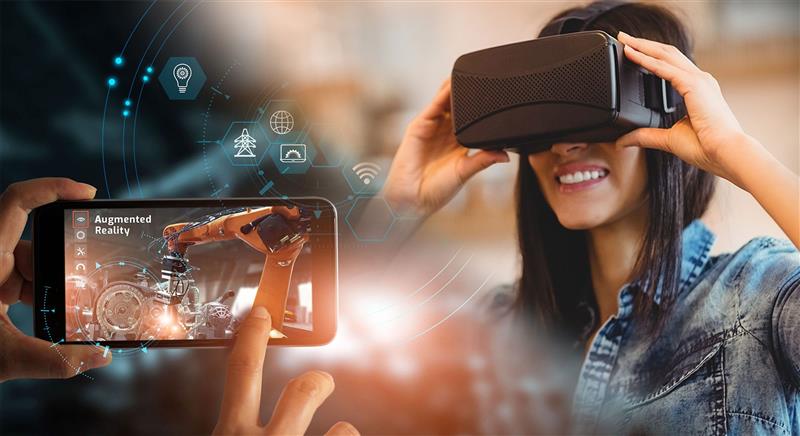
When Pokémon GO launched, it didn’t just become a game; it became a global movement. AR blends digital elements with the real world, creating interactive experiences that feel magical.
VR, meanwhile, offers full immersion, especially in simulation and adventure games. As mobile hardware improves, AR/VR integration is becoming more accessible and powerful.
2. Artificial Intelligence & Machine Learning

AI in mobile games enables:
- Dynamic difficulty adjustment
- Smart NPC behavior
- Personalized storylines
- Predictive player engagement
AI doesn’t just make games smarter, it makes them feel alive.
3. Cloud Gaming
Cloud gaming eliminates hardware limitations. Instead of relying on device performance, games run on remote servers and stream directly to users.
Services like GeForce Now are paving the way for smoother, device-independent gameplay experiences.
4. Cross-Platform Compatibility
Gamers want freedom. They expect to start a game on their phone and continue on a tablet or PC without losing progress. Cross-platform game development ensures seamless synchronization and a wider audience reach.
5. Multiplayer & Social Integration
Social connectivity is at the heart of modern gaming. Whether it’s in-game chat, cooperative missions, or competitive leaderboards, multiplayer functionality increases engagement and retention.

6. Blockchain & NFT Integration
Blockchain introduces secure in-game asset ownership and decentralized economies. Players can trade, sell, or truly own digital assets, transforming gaming into a potential income source.
7. Hyper-Casual & Hybrid Games
Short attention spans have fueled the rise of hyper-casual games. Simple mechanics, quick sessions, and addictive loops drive massive downloads and ad revenue.
Essential Tools for Mobile Game Development
Behind every unforgettable mobile game, the ones that make us smile, compete, escape, and dream- there is a powerful set of tools working silently in the background. These tools are not just software programs; they are creative companions. They transform imagination into playable worlds, lines of code into living characters, and ideas into immersive experiences.
Let’s take a deeper look at the engines and platforms that bring mobile games to life.
1. Unity
Unity has become a heartbeat in the world of mobile game development. Whether you’re crafting a simple 2D puzzle game or a visually rich 3D adventure, Unity offers the flexibility to build almost anything you can imagine.
What makes Unity truly special is its cross-platform capability. Developers can create a game once and deploy it across multiple platforms, including iOS and Android, without rebuilding from scratch. This not only saves time and cost but also ensures a broader audience reach.
Its vast Asset Store is another blessing for creators. From pre-designed characters and environments to scripts and sound effects, developers can accelerate production without sacrificing quality. For indie developers chasing a dream or enterprises building large-scale gaming ecosystems, Unity provides both accessibility and power.
Unity doesn’t just help you build games, it helps you build worlds.
2. Unreal Engine
If Unity is versatile, Unreal Engine is breathtaking.
Known for its cinematic visuals and hyper-realistic rendering, Unreal Engine is the tool of choice for developers who want their games to feel grand and immersive. Its advanced lighting systems, physics simulations, and real-time rendering capabilities make 3D environments look almost lifelike.
Unreal uses C++ and also offers Blueprint visual scripting, which allows developers to design gameplay mechanics without deep coding expertise. This balance of power and accessibility opens creative doors for both technical and artistic minds.
For action-packed games, high-fidelity simulations, and next-level 3D storytelling, Unreal Engine delivers emotion through visuals. It turns imagination into spectacle.
3. Godot
Godot is the rising star, an open-source engine fueled by community passion and collaboration.
Lightweight yet incredibly capable, Godot provides an intuitive interface and flexible scripting options. Its node-based architecture makes organizing game components straightforward and efficient.
What truly sets Godot apart is its freedom. Being open-source means developers can modify the engine itself, customize workflows, and build without licensing worries. For indie creators who value control and innovation, Godot feels empowering.
It proves that you don’t need massive budgets to create extraordinary experiences, just creativity and the right foundation.
4. GameMaker Studio
GameMaker Studio has long been a favorite for 2D game development. It’s approachable, intuitive, and perfect for developers who want to turn ideas into playable prototypes quickly.
Its drag-and-drop functionality lowers the entry barrier for beginners, while its scripting language allows experienced developers to build more complex systems. This flexibility makes it ideal for startups, solo developers, and small teams working under tight timelines.
Many successful indie titles have emerged from GameMaker because it encourages experimentation. It reminds us that sometimes simplicity is the strongest foundation for creativity.
5. Blender
While not a game engine, Blender is the artistic soul behind many game visuals.
Blender is a powerful open-source 3D creation tool used to design characters, environments, animations, and cinematic sequences. From modeling intricate fantasy creatures to crafting detailed landscapes, Blender enables artists to breathe life into game worlds.
Its animation tools allow smooth character movements. Its sculpting features create realistic textures. And its rendering engine helps developers visualize assets before integrating them into a game engine.
Blender bridges imagination and realism. It transforms concepts into tangible digital art.
Core Technologies Powering Modern Games
Mobile gaming app development relies on multiple technologies working in harmony:
- Game Engines – Build core structure and gameplay mechanics
- AR/VR SDKs – Enable immersive experiences
- Cloud Services (AWS, Firebase) – Real-time databases & scalability
- APIs & WebSockets – Multiplayer functionality
- AI Frameworks – Smart automation and personalization
Together, they shape interactive ecosystems rather than simple applications.
Monetization Strategies That Work
Creating a great game is emotional. Monetizing it requires a strategy.
- In-app purchases (IAPs)
- Rewarded video ads
- Freemium models
- Subscription-based gaming
- Battle passes and seasonal content
The key? Balance revenue with user experience. Aggressive monetization can destroy long-term trust.
Challenges in Mobile Gaming Development
Despite the excitement, developers face real obstacles:
- Intense competition
- Performance optimization across devices
- Data privacy & security concerns
- User retention
- Rising acquisition costs
Success comes from constant testing, innovation, and understanding player psychology.
The Future of Mobile Gaming
The next wave of innovation will focus on:
- AI-generated game content
- 5G-enabled real-time gaming
- Voice and gesture controls
- Metaverse integration
- Sustainable and energy-efficient gaming apps
Mobile games are no longer just games. They’re experiences, communities, and even economies.
Whether you’re building a next-generation mobile app or seeking advanced digital solutions for your gaming business, innovation is the heart of survival. From developing a powerful Android mobile app to scaling globally, the journey requires vision and the right technical foundation.
Final Thoughts
Mobile gaming app development is more than writing code; it’s about storytelling, connection, and creating moments that players cherish. Technology will continue to evolve. Trends will shift. Tools will be upgraded.
But one thing remains constant: players crave meaningful experiences.
If you focus on innovation, performance, and emotional engagement, your game won’t just compete; it will inspire.
The future of mobile gaming is bold, immersive, and deeply human. And it’s only just beginning.
FAQs
What is mobile gaming app development?
Mobile gaming app development is the process of designing, developing, testing, and launching games specifically for smartphones and tablets using advanced tools and technologies.
Which game engine is best for mobile games?
Unity is widely preferred for cross-platform development, while Unreal Engine excels in high-end 3D graphics. The choice depends on your game requirements.
How do mobile games make money?
Mobile games generate revenue through in-app purchases, ads, subscriptions, and freemium models.
Is cross-platform development better than native development?
Cross-platform development reduces cost and time, while native development offers better performance. The best option depends on your goals and budget.
What technologies are shaping the future of mobile gaming?
AI, AR/VR, cloud gaming, blockchain, and 5G technology are transforming the mobile gaming industry.