
“Business intelligence tools are helping businesses turn complex data into clear, actionable insights. In 2026, modern BI platforms support smarter reporting, data visualization, AI-powered analysis, and faster decision-making. Choosing the right solution can help organizations work with greater confidence, uncover valuable opportunities, and make more informed business decisions.”
Businesses are generating more data than ever, yet having access to large amounts of information does not automatically lead to better decisions. Sales figures, customer activity, financial records, operational metrics, and marketing data can often exist across separate systems. Without the right technology to bring that information together, valuable insights can remain hidden. Business intelligence tools help turn complex data into clearer information that teams can use to make more confident and timely decisions.
Modern business intelligence software has evolved beyond basic reports and spreadsheets. Today’s platforms can connect multiple data sources, create interactive dashboards, support self-service analysis, and increasingly use artificial intelligence to help users identify patterns and trends. As organizations continue to prioritize data-driven decision-making in 2026, choosing the right BI platform has become an increasingly important business decision.
What Are Business Intelligence Tools?
Business intelligence tools are software platforms designed to collect, organize, analyze, and visualize business data. They can transform information from databases, cloud applications, spreadsheets, APIs, and other sources into dashboards, reports, charts, and interactive visualizations.
A modern BI platform can also help employees explore information without relying on an analyst for every question. Instead of waiting for a new report to be prepared, users can interact with dashboards, filter information, compare performance, and investigate changes independently.
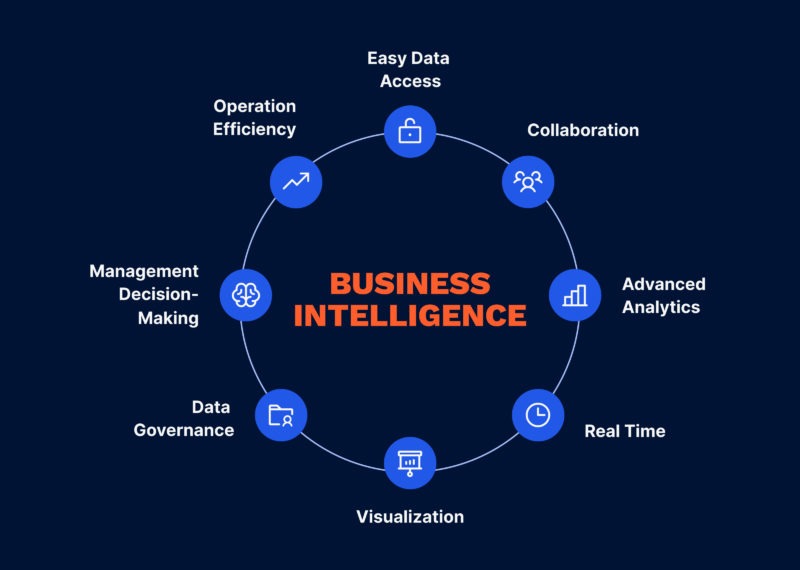
The strongest business analytics tools typically provide several important capabilities, including:
- Connecting multiple data sources
- Data modeling and transformation
- Interactive dashboards
- Data visualization
- Automated reporting
- Role-based access and governance
- AI-assisted analysis
- Self-service analytics
The right combination depends on an organization’s data environment, technical skills, security requirements, and business objectives.
Why Are Business Intelligence Tools Important in 2026?
The growing volume and complexity of business data have made manual analysis increasingly difficult. Teams need to understand what is happening across different parts of an organization without spending excessive time collecting and organizing information.
Business intelligence platforms can reduce this burden by bringing relevant data into a more accessible environment. A manager might use a dashboard to monitor sales performance, while an operations team could examine delivery trends or inventory patterns from the same underlying data environment.
Another important development is the growing role of artificial intelligence. Modern platforms can support natural-language questions, automated summaries, anomaly detection, and predictive analysis. These capabilities can make data more approachable for employees who may not have advanced technical skills.
Top 10 Business Intelligence Tools in 2026
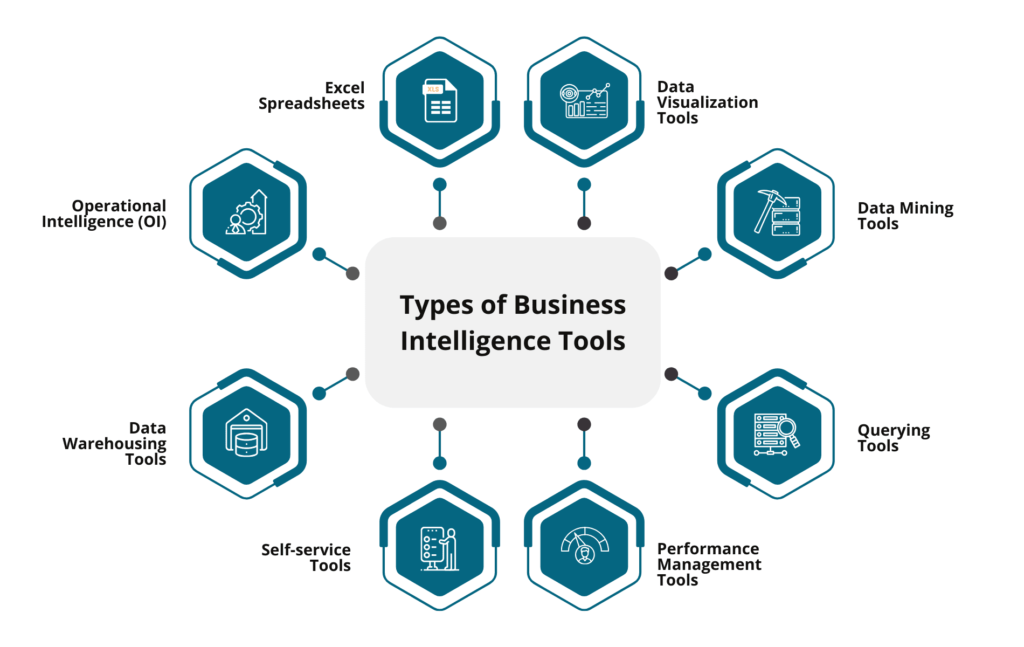
The BI market includes many platforms designed for different business sizes, industries, and technical environments. The following categories represent some of the leading types of solutions businesses are considering in 2026.
1. Enterprise-Grade BI Platforms
Enterprise-grade BI platforms are designed for organizations that need advanced reporting, centralized governance, security controls, and support for large and complex datasets. These solutions are often suitable for organizations with multiple departments and large numbers of users. They may provide advanced data analytics, role-based permissions, automated reporting, and extensive integration capabilities.
Their biggest advantage is scalability. However, implementation may require specialized skills, training, and ongoing administration. Organizations should therefore consider whether their internal resources are sufficient before selecting an enterprise-focused platform.
2. Cloud Business Intelligence Platforms
Cloud-based BI platforms have become increasingly attractive because they reduce the need for organizations to maintain extensive on-premises infrastructure. Users can access dashboards and reports through web-based environments while data can be connected from various cloud and business systems. This can support distributed teams and organizations that need flexible access to business information.
Cloud BI can also make scaling easier. As data volumes and user requirements grow, businesses may be able to expand their analytics environment without completely redesigning their infrastructure.
3. Self-Service BI Tools
Self-service BI platforms are designed to allow business users to explore data without depending entirely on technical teams. This approach can help departments answer routine questions more quickly.
For example, a sales manager may want to compare monthly performance by region, while a marketing manager may want to analyze campaign results. With an accessible dashboard and appropriate permissions, users can investigate these questions themselves. The challenge is maintaining governance. Too much freedom without proper controls can result in inconsistent metrics or unreliable reports. Successful self-service analytics therefore requires a balance between flexibility and data management.
4. Data Visualization Platforms
Some BI solutions place a strong emphasis on visual storytelling. They help users transform complicated datasets into charts, graphs, maps, and interactive dashboards that are easier to understand.
Visual analytics can be especially helpful when communicating information to executives, clients, or employees who may not work with raw data every day. A well-designed visualization can highlight trends and relationships that may be difficult to recognize in a spreadsheet. However, attractive visuals alone do not guarantee useful analysis. Businesses should make sure the underlying data is accurate and that dashboards answer meaningful business questions.
5. AI-Powered BI Tools
Artificial intelligence is becoming an increasingly important part of modern business intelligence. AI-powered BI tools can help users interact with data through natural-language questions and receive automated insights.
Instead of manually constructing every query, a user might ask a straightforward question about revenue, customer behavior, or operational performance. Depending on the platform, the system may generate a visualization or summary based on the available data. AI can also assist with identifying unusual patterns and forecasting possible outcomes. These capabilities can make analytics more accessible, but businesses should still review automated insights carefully and maintain appropriate human oversight.
6. Embedded Analytics Platforms
Embedded analytics places BI capabilities directly inside another application or business platform. Rather than asking users to open a separate analytics environment, organizations can provide reports and dashboards within the applications they already use.
This approach can be useful for software companies that want to offer analytics to their customers. It can also help internal teams access relevant information without constantly switching between different systems. The major consideration is integration. Embedded analytics may require stronger technical expertise because the analytics experience must work smoothly with the surrounding application.
7. Cloud-Native Analytics Solutions
Cloud-native analytics platforms are designed around modern cloud infrastructure and can support organizations with large and continuously changing datasets.
These platforms can offer flexible data processing, scalable storage, and integration with modern data environments. They may also support real-time or near-real-time analytics for businesses that need to respond quickly to changing conditions. The potential benefit is scalability, but businesses should evaluate architecture, security, integration requirements, and total costs before implementation.
8. Small Business BI Solutions
Smaller organizations often need business intelligence without the complexity and expense associated with large enterprise systems. SMB-focused BI solutions generally emphasize simplicity, accessible pricing, and quick deployment. These platforms can help smaller teams monitor sales, finances, marketing performance, customer trends, and other important metrics without requiring a large analytics department.
Ease of use can be particularly valuable for growing businesses. A tool that employees can understand and adopt quickly may deliver more practical value than a technically advanced platform that requires extensive training.
9. Predictive Analytics Platforms
Predictive analytics solutions use historical and current data to identify patterns that may help organizations anticipate future outcomes. Businesses can use predictive models for areas such as demand forecasting, customer behavior, inventory planning, financial analysis, and operational performance. Instead of simply asking what happened, predictive analytics helps teams consider what could happen next.
These tools can provide valuable support for planning, but predictions are not guarantees. Results depend heavily on data quality, model design, assumptions, and changing market conditions.
10. Real-Time Business Intelligence Platforms
Traditional reports may provide information after an event has already occurred. Real-time BI aims to shorten this delay by making current information available as quickly as possible. Real-time dashboards can be valuable for industries and teams where conditions change rapidly. Businesses may monitor transactions, operational activity, customer interactions, inventory levels, or other time-sensitive metrics.
The value of real-time analytics depends on whether the organization actually needs immediate information. Not every business decision requires live data, so companies should avoid paying for unnecessary complexity.
What Features Should Businesses Look for in BI Tools?
Choosing a BI platform should involve more than comparing the number of features listed on a product page. Businesses need to determine which capabilities directly support their goals. Data connectivity is an important starting point. The platform should be able to connect with the databases, applications, files, and systems the organization already uses.
Data visualization is another major consideration. Users should be able to understand important information without spending excessive time interpreting complicated reports. Security and governance are equally important. Organizations handling sensitive information may need role-based access, authentication, audit capabilities, and controls over who can view specific data. Ease of use should also be considered. A powerful platform will provide limited value if employees struggle to use it. Strong self-service analytics capabilities can encourage wider adoption and reduce dependence on technical teams.
How Should Businesses Choose the Right BI Tool?
The first step is to identify the business questions the organization needs to answer. Instead of beginning with a list of software features, companies should determine which decisions they want to improve. Next, businesses should examine their existing technology environment. A platform that integrates naturally with current databases and cloud systems may be easier to implement than one that requires extensive changes.
Team skills should also influence the decision. Technical teams may be comfortable with advanced data modeling, while business users may prefer simpler interfaces and natural-language analytics. Total cost should be considered as well. Licensing is only one part of the investment. Businesses may also need to budget for implementation, data preparation, integration, training, administration, and ongoing maintenance.
Why Data Quality Matters for Business Intelligence
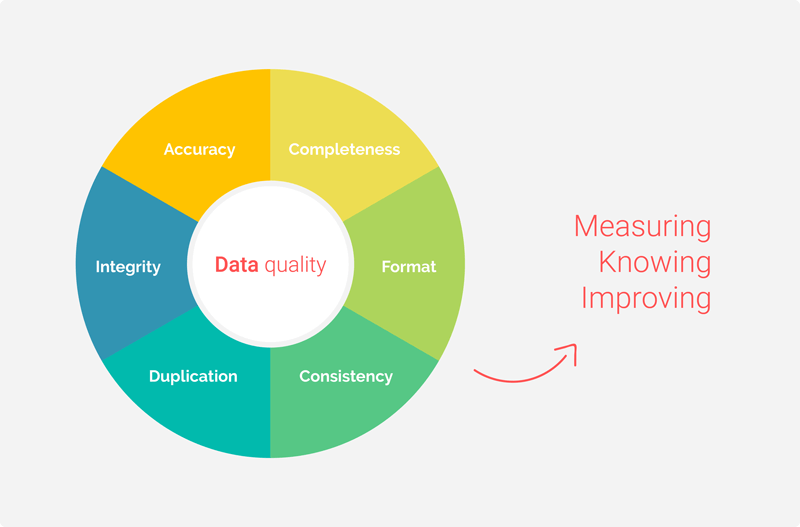
Even the most advanced BI platform cannot compensate for poor-quality data. Incorrect, incomplete, duplicated, or inconsistent information can lead to misleading reports and unreliable decisions.
Before implementing a BI solution, businesses should review their existing data sources. Establishing consistent definitions for important metrics can help different departments work from the same understanding. A strong data management strategy can also make BI projects more sustainable. Clean and well-organized information creates a stronger foundation for dashboards, analytics, forecasting, and AI-assisted insights.
How Can Businesses Improve BI Adoption?
Technology alone does not guarantee successful adoption. Employees need to understand how a BI platform can make their work easier and how the information presented by the system should be used. Training can help employees become more comfortable with dashboards, reports, filters, and analytical features. Clear documentation can also reduce confusion around important metrics.
Businesses should start with practical use cases rather than trying to build hundreds of dashboards immediately. A focused rollout can help teams understand the platform’s value before expanding it across the organization. Feedback is also essential. Employees using the system every day can identify confusing dashboards, missing information, or unnecessary steps. Listening to that feedback can make the BI environment more useful over time.
How Does AI Change Business Intelligence in 2026?
AI is helping make business intelligence more accessible. Instead of requiring users to understand complex query languages or data structures, modern systems can allow people to ask questions using everyday language. AI can also help summarize large amounts of information and highlight changes that deserve attention. This can reduce the time employees spend searching for patterns manually.
However, AI should support, not replace human judgment. Automated insights need to be evaluated in context, particularly when decisions involve financial, operational, legal, or customer-impacting consequences. The strongest approach combines intelligent automation with accurate data, clear governance, and experienced human decision-making.
Final Thoughts
Business intelligence tools are becoming an essential part of how organizations understand information and make decisions in 2026. From self-service dashboards and data visualization to predictive analytics and AI-assisted insights, modern BI platforms can help businesses move from simply collecting data to using it with greater purpose.
The most advanced tool is not automatically the best choice. The right solution is the one that fits the organization’s data environment, technical capabilities, budget, security requirements, and real-world business needs. With a strong data foundation, thoughtful implementation, and genuine user adoption, business intelligence can turn overwhelming information into something far more valuable: clearer decisions, stronger confidence, and meaningful growth opportunities.
FAQs
Q1. What are business intelligence tools?
A: Business intelligence tools are software platforms that collect, organize, analyze, and visualize business data. They help teams understand performance and make more informed decisions.
Q2. Why are BI tools important in 2026?
A: Businesses are managing increasingly large and complex datasets. BI tools help organize this information, identify important trends, and make insights easier for employees to access and understand.
Q3. What features should a good BI platform have?
A: Important features may include data integration, interactive dashboards, data visualization, reporting, security controls, self-service analytics, AI-assisted analysis, and predictive capabilities.
Q4. Are business intelligence tools useful for small businesses?
A: Yes. Smaller businesses can use BI platforms to monitor sales, marketing, financial performance, customer behavior, and other important metrics without necessarily requiring a large analytics team.
Q5. What is self-service business intelligence?
A: Self-service BI allows business users to explore and analyze approved data independently instead of relying on technical teams to create every report or query.
Q6. How does AI improve business intelligence?
A: AI can help users ask questions in natural language, summarize information, identify unusual patterns, generate insights, and support predictive analysis.
Q7. Is real-time business intelligence necessary for every business?
A: No. Real-time BI is most valuable when organizations need to respond quickly to changing information. Businesses should determine whether immediate data access supports their specific decisions before investing in it.
Q8. Why is data quality important for BI?
A: BI systems depend on the information they analyze. Inaccurate or inconsistent data can produce misleading dashboards and unreliable insights, making data quality a critical part of any BI strategy.
Q9. How should a company select a BI platform?
A: Companies should begin with their business objectives and data requirements. They should then consider integrations, user skills, security, scalability, usability, implementation requirements, and total cost of ownership.
Q10. Can BI tools replace human decision-making?
A: BI tools can support and improve decision-making, but they should not automatically replace human judgment. Business context, experience, and critical thinking remain essential when interpreting analytical results.