
“A Software Audit Checklist is more than a process; it’s a moment of truth that reveals the hidden reality of your system. It helps you uncover silent risks, reduce technical debt, and realign your technology with your vision before problems grow beyond control. With clarity and insight, you move from uncertainty to confidence. In the end, it’s not just about fixing software, it’s about protecting your future.”
In today’s fast-paced digital landscape, software is the backbone of almost every business operation. Yet, software systems rarely fail; they degrade silently. Poor code quality, outdated architecture, inefficient processes, and undocumented decisions quietly accumulate, eventually manifesting as expensive problems that disrupt operations, innovation, and growth. A robust Software Audit Checklist is your guiding light, helping to evaluate your system before hidden issues spiral out of control.
With companies relying more than ever on technology to drive efficiency and deliver customer value, knowing the health of your software is no longer optional; it’s critical. This checklist isn’t just a technical formality; it’s a strategic tool that can save time, reduce costs, improve performance, and even safeguard your reputation.
Why Conduct a Software Audit?
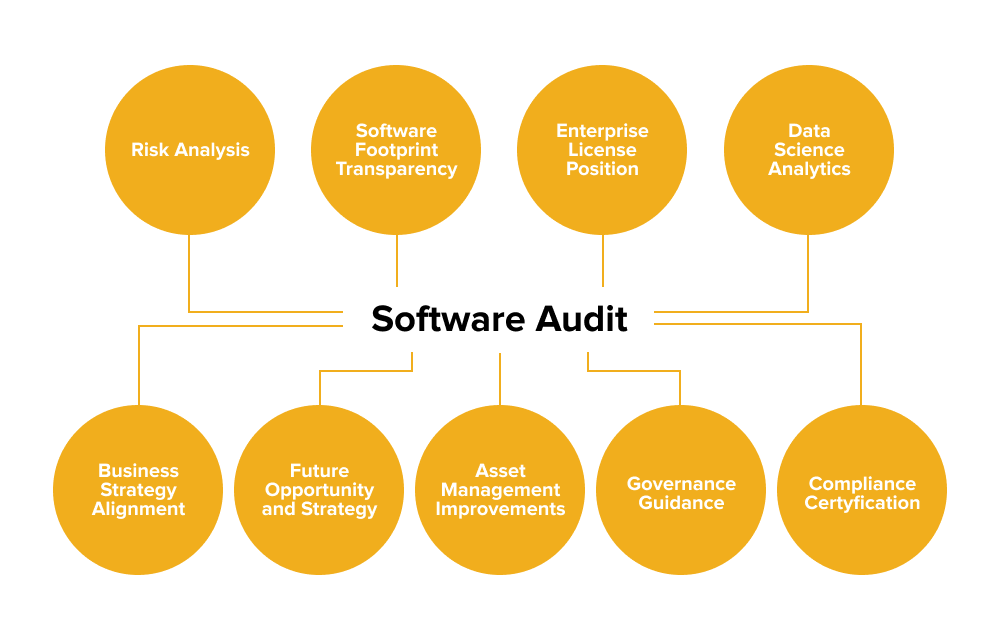
Software audits are not just technical checklists; they are moments of truth for a product, a team, and often an entire organization. As systems grow layer by layer, what once felt elegant and efficient can quietly turn into something fragile, slow, and difficult to manage. An audit shines a light into those hidden corners. It reveals the silent risks, the shortcuts taken under pressure, and the pieces of code that no longer serve their purpose. There’s something deeply reassuring about that clarity; it replaces uncertainty with understanding. Instead of waiting for a failure to expose weaknesses at the worst possible time, a software audit allows you to face reality on your own terms. It becomes a tool not just for fixing problems, but for rebuilding confidence in your technology, your processes, and your future direction. For decision-makers—whether they are founders, product leaders, or investors, this transparency is powerful. It transforms guesswork into informed strategy and turns potential risks into opportunities for growth and resilience.
Why software audits truly matter (h3)
- Early detection of hidden risks
Software often carries unseen vulnerabilities, security gaps, outdated dependencies, or fragile integrations. An audit uncovers these before they escalate into costly failures or public incidents. - Reduction of technical debt
Over time, quick fixes and rushed releases accumulate into technical debt. Audits identify these problem areas, helping teams clean up codebases and restore long-term stability. - Improved scalability and performance
What works for 1,000 users may fail at 100,000. Audits evaluate whether your system can grow with your ambitions without breaking under pressure. - Enhanced development efficiency
Inefficient workflows, redundant code, and poor architecture slow teams down. By addressing these issues, audits enable developers to work faster and with greater confidence. - Alignment with business goals
Technology should serve strategy not hinder it. Audits ensure your systems are aligned with where your business is heading, not where it used to be. - Increased investor confidence
For investors and stakeholders, a software audit provides a transparent, objective view of risk and value. It answers the hard questions before they’re asked. - Better decision-making for leadership
Executives gain clarity on whether to refactor, rebuild, or scale, turning uncertainty into actionable insight. - Stronger security posture
In a world where breaches can destroy trust overnight, audits help safeguard both data and reputation. - Long-term cost savings
Fixing issues early is always cheaper than dealing with system failures, downtime, or emergency rewrites later. - Foundation for sustainable growth
Ultimately, an audit is not about criticism; it’s about preparation. It ensures your technology can support not just today’s needs, but tomorrow’s vision.
In many ways, a software audit is like holding up a mirror to your system. It may reveal imperfections, but it also shows you exactly what needs to be strengthened to move forward with confidence, clarity, and control.
What Happens When You Don’t Audit Your Software?
Without regular audits, software problems accumulate silently. Minor inefficiencies evolve into major issues, often appearing at the worst possible time during scaling, a product launch, or an acquisition. Consequences include:
- Unexpected post-launch changes that require expensive refactoring.
- Performance bottlenecks that slow your system and waste engineering resources.
- Usability problems that frustrate users and increase support costs.
- Loss of trust with customers and investors, which can be difficult to regain.
Audits act as an early warning system, allowing you to address problems proactively rather than reactively.
The Software Audit Checklist: Key Areas to Evaluate
A Software Audit Checklist serves as a structured, strategic framework for evaluating your software system. Here’s a detailed breakdown:
1. Infrastructure and Deployment
Check operational risks and deployment bottlenecks. Ensure that your cloud environments, CI/CD pipelines, and server configurations are optimized for performance and scalability.
2. Architecture and Design
Identify architectural limitations that may impact maintainability, scalability, and long-term growth. Spot outdated frameworks, monolithic components, or dependencies that may hinder expansion.
3. Code Quality and Technical Debt
Assess code readability, maintainability, and efficiency. Detect quick fixes, legacy code, or patterns that could increase future development costs.
4. Development Processes and Team Management
Review process maturity, team roles, and workflow efficiency. Examine how well your software team collaborates and adheres to industry best practices.
5. User Experience (UX)
Evaluate workflows, navigation, and interface consistency. Ensure the system meets end-user needs and delivers an intuitive, efficient experience.
6. Security and Compliance
Audit for vulnerabilities, data protection gaps, and compliance risks. Verify adherence to industry standards to maintain trust and reduce exposure to cyber threats.
By systematically evaluating these areas, you’ll not only uncover hidden problems but also gain actionable insights to improve performance, scalability, and overall software quality.
Who Can Benefit from Using the Software Audit Checklist?
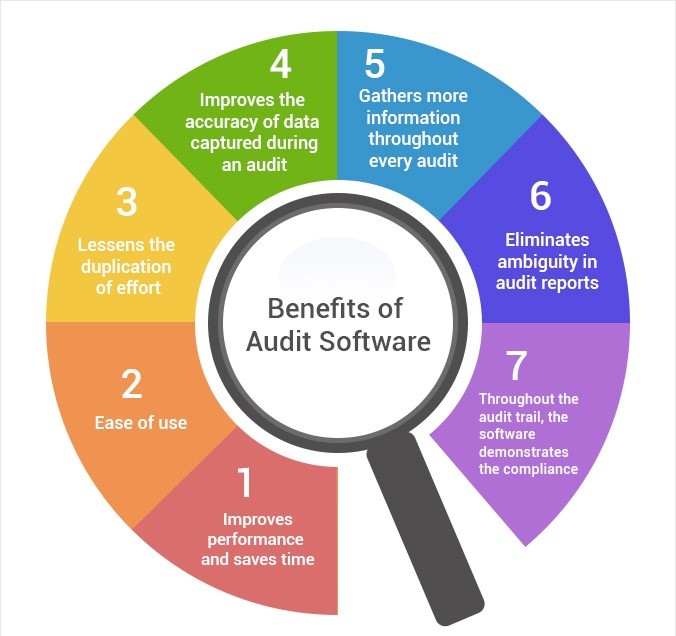
The checklist is valuable for anyone responsible for software quality, including:
- CTOs and C-suite executives – gain visibility into technical risks and ensure alignment with business strategy.
- Investors and acquirers – perform objective due diligence before acquisitions.
- Tech leads and engineering managers – benchmark development practices against industry standards.
- Product owners and managers – understand constraints affecting delivery and user satisfaction.
How to Use the Checklist
A software audit is more than a technical exercise; it is a moment of reflection, where you pause and truly look at what has been built over time. Beneath every feature and release lies a story of decisions, compromises, and ambition. When you approach an audit with intention, starting from the most critical areas like architecture, code quality, and security, you begin to understand not just how your system works, but how it feels under pressure. You uncover the fragile spots, the overlooked risks, and the hidden strengths that deserve to be protected. Documenting these findings with clarity transforms uncertainty into shared understanding, allowing stakeholders to see the reality without confusion or distortion. But the real impact comes when these insights are not left behind in reports; they are woven into daily development practices, shaping how teams build, review, and improve. Over time, by repeating audits and embracing them as a habit rather than a one-time task, you create a culture of awareness and resilience. And through it all, you remember that while checklists provide structure, it is human judgment, thoughtful, experienced, and intuitive, that gives the audit its true meaning and power.
Key practices to follow
- Start with high-priority areas
Focus first on architecture, code quality, and security to address the foundation of your system and uncover the most critical risks early. - Document findings with clarity
Write down observations and recommendations in a clear, structured way so stakeholders can understand, align, and take action confidently. - Turn insights into action
Integrate audit findings into development workflows, coding standards, and review processes to prevent the same issues from reappearing. - Make audits a continuous habit
Repeat audits regularly to ensure your software evolves in a healthy, stable, and scalable direction over time. - Rely on expert judgment, not just checklists
Use checklists as a guide, but depend on experience and critical thinking to interpret findings and make meaningful decisions.
In the end, a well-executed audit doesn’t just highlight problems; it builds trust, strengthens direction, and gives your entire team the confidence to move forward with purpose.
Final Thoughts
Software is the lifeblood of modern businesses, but hidden inefficiencies, outdated code, and unclear processes can silently drain resources and hinder growth. A Software Audit Checklist is more than a technical tool; it’s a strategic partner in protecting your investment, improving quality, and ensuring your software supports business goals. By proactively auditing your system, you gain clarity, reduce risk, and set your organization up for sustainable success.
The right audit process, combined with strong teams, expert guidance, and proven methodologies, ensures your software doesn’t just survive, it thrives.
FAQs
Why is a software audit important?
A software audit identifies hidden technical debt, architectural flaws, and process inefficiencies, ensuring scalability, performance, and maintainability.
Who should use a Software Audit Checklist?
CTOs, product managers, investors, tech leads, and engineering teams can all benefit from structured audits to evaluate software quality and risk.
How often should a software audit be performed?
Regular audits, ideally annually or before major product launches and acquisitions, help maintain software health and prevent costly issues.
What areas does a Software Audit Checklist cover?
Key areas include infrastructure, architecture, code quality, development processes, UX, security, and compliance.
Can audits improve business performance?
Yes. By identifying bottlenecks and inefficiencies, audits reduce maintenance costs, improve scalability, and ensure software aligns with business goals.