
“A Software Requirement Specification is the quiet foundation where every successful software journey begins. It brings clarity to ideas, aligns expectations, and ensures that everyone is building toward the same vision. Without it, even the best teams can lose direction, but with it, confusion turns into confidence. In the end, great software isn’t just built with code, it’s built with understanding.”
Key Highlights
- An SRS transforms scattered ideas into a clear, shared vision for the entire project
- It bridges the gap between users, stakeholders, and developers with clarity and purpose
- Defining scope early prevents confusion, delays, and unnecessary rework
- Functional and non-functional requirements together shape both what the system does and how it feels
- Real user flows and use cases bring life to technical requirements
- Acceptance criteria remove guesswork and create clear success benchmarks
- Regular reviews keep everyone aligned and confident throughout the journey
- Treating the SRS as a living document ensures it grows with the project, not against it
- Avoiding vague language and missed details protects the project from hidden risks
- A strong SRS builds trust, direction, and confidence from start to finish
Software projects rarely fail because of poor coding alone; they fail because of unclear thinking at the very beginning. When expectations are not defined, even the most talented teams end up building the wrong thing. This is where a Software Requirement Specification (SRS) becomes more than a document; it becomes a shared understanding, a safety net, and a guiding light for the entire development journey.
An SRS is not just paperwork. It is the emotional and logical bridge between imagination and execution. It captures what users truly need, what the business expects, and what developers must build before confusion has a chance to enter the room.
Let’s walk through a clear, step-by-step guide to creating a strong and effective SRS that actually works in real projects.
What is a Software Requirement Specification (SRS)?
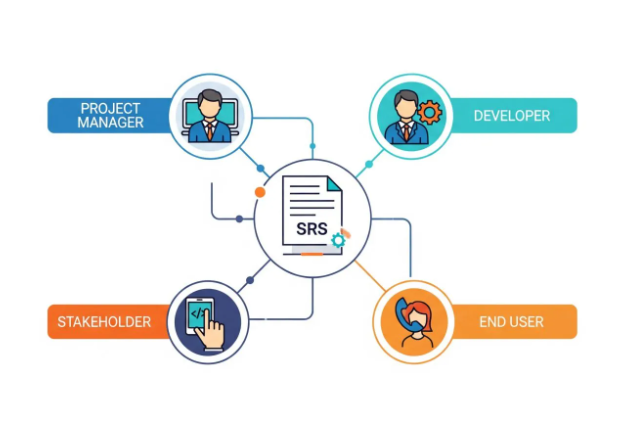
A Software Requirement Specification (SRS) is a structured document that clearly defines what a software system should do and how it should behave. It acts as a single source of truth for everyone involved in the project: developers, testers, stakeholders, and clients.
Think of it as a blueprint for software development. Without it, teams often build in different directions, leading to delays, rework, and frustration.
Why SRS is So Important
An SRS is not just about documentation; it is about clarity, alignment, and confidence that holds an entire project together. When done correctly, it quietly eliminates misunderstandings that so often lead to wasted time, unexpected costs, and broken trust between teams. It brings everyone onto the same page, creating a shared understanding of what needs to be built and why it matters. In doing so, it removes ambiguity and confusion, improves communication across teams, and allows project estimation to become far more accurate and reliable. It also significantly reduces costly rework during development and strengthens the overall quality of testing and validation. In the end, a strong SRS doesn’t just describe a system, it transforms uncertainty into structure and gives every stakeholder the confidence to move forward together.
Step-by-Step Guide to Writing an SRS
Writing a Software Requirements Specification (SRS) can feel overwhelming at first, but when you break it down step by step, it becomes a structured and even rewarding process. Here’s a clear, human-centered guide to help you move forward with confidence:
1. Understand the Purpose of the System
Before writing anything, clearly define why the software is being built. What problem does it solve? Who will use it? What value does it deliver? This step quietly shapes the entire direction of your project, giving it meaning and purpose from the very beginning.
2. Identify Stakeholders and Users
Every voice matters. Talk to end users, business owners, project managers, and developers. Each perspective adds depth and clarity to the final product. When people feel heard early in the process, misunderstandings fade, and costly mistakes become far less likely.
3. Define the Scope Clearly
Scope defines boundaries. What will the system do and what will it not do? Without clear limits, projects tend to expand endlessly and lose focus. A well-defined scope acts like a guardrail, protecting both time and budget while keeping the vision intact.
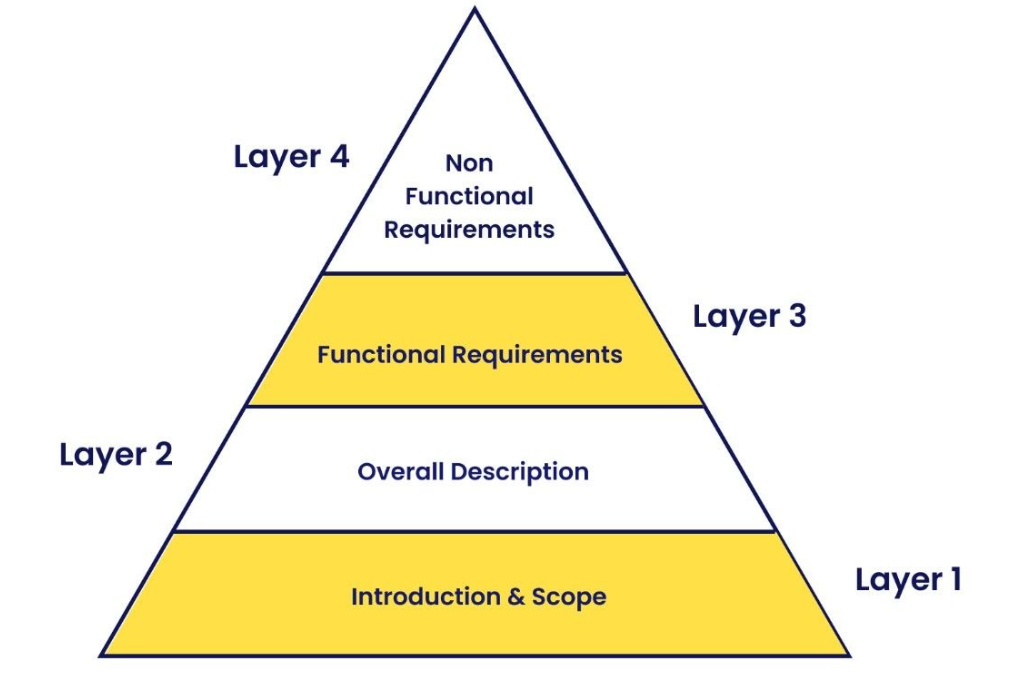
4. Write Functional Requirements
Functional requirements describe what the system must do. This includes features like user login and registration, data processing and storage, and search or filtering capabilities. These requirements should always be written with clarity, making them easy to understand, test, and implement without confusion.
5. Define Non-Functional Requirements
Non-functional requirements explain how the system performs. They cover critical areas like speed and response time, data security and protection, ease of use, and the ability to scale as demand grows. These elements ensure the software feels reliable, safe, and trustworthy to every user.
6. Document Interfaces and Dependencies
Modern software rarely stands alone. It interacts with APIs, databases, and external systems. Clearly defining integrations, third-party tools, and data exchange formats helps prevent unexpected failures and keeps everything working smoothly when systems connect.
7. Add Use Cases and User Flows
Use cases describe real-world interactions step by step, helping teams see how users will actually experience the system. This clarity turns abstract requirements into meaningful scenarios, making them easier to understand, build, and test with confidence.
8. Include Acceptance Criteria
Acceptance criteria define what success looks like for each requirement. For example, if a user enters valid credentials, they should be redirected to the dashboard within two seconds. This level of clarity removes uncertainty and gives both developers and testers a clear finish line.
9. Review and Validate with Stakeholders
An SRS is never perfect in its first draft. Reviewing it with stakeholders brings alignment, uncovers gaps, and strengthens the overall document. When everyone agrees at this stage, it prevents confusion and saves months of rework later.
10. Keep It a Living Document
An SRS is not something you write once and forget. It grows and evolves along with the project. Updating it regularly ensures that everyone stays aligned, even as requirements change and the project moves forward.
Common Mistakes to Avoid in SRS Writing
When an SRS is written carelessly, the cracks don’t show immediately, but they surface later as missed expectations, delays, and frustration. Small oversights like vague wording or skipped details slowly turn into big problems. On the other hand, a thoughtful and well-maintained SRS brings clarity, alignment, and a sense of confidence to everyone involved. It becomes more than just a document; it becomes a shared understanding that keeps the entire project grounded and moving forward.
Common mistakes to avoid:
- Using vague language like “fast” or “user-friendly,” which leaves too much room for interpretation
- Missing non-functional requirements that define performance, security, and usability
- Writing too much technical detail too early makes it harder for stakeholders to follow
- Ignoring stakeholder input, which can lead to misaligned expectations
- Not updating the document over time as the project evolves
A weak SRS creates confusion. A strong one creates confidence.
Final Thoughts
A Software Requirement Specification is more than a technical document; it is the emotional foundation of a successful software project. It ensures that ideas are not lost in translation and that every team member is building toward the same vision.
When clarity replaces assumptions, projects become smoother, faster, and more meaningful. A strong SRS doesn’t just guide development, it protects ideas from failure. In the end, great software doesn’t begin with code. It begins with understanding.
FAQs
What is a Software Requirement Specification (SRS)?
An SRS is a formal document that defines what a software system should do, including its features, behavior, and constraints.
Why is SRS important in software development?
It reduces confusion, improves communication, supports accurate planning, and ensures the final product meets expectations.
Who prepares the SRS document?
Typically, business analysts, product managers, and system analysts create it with input from developers, testers, and stakeholders.
What are the main components of an SRS?
It includes functional requirements, non-functional requirements, system scope, interfaces, use cases, and acceptance criteria.
Is SRS used in Agile development?
Yes. In Agile, a lightweight or evolving SRS is often used alongside user stories to maintain clarity and structure.