
“Agentic workflows are quietly transforming software development into something more intuitive, adaptive, and human-centered. They take on the repetitive burdens, allowing developers to focus on creativity, problem-solving, and innovation. Instead of rigid processes, teams now work alongside intelligent systems that understand, act, and evolve. It’s not just a shift in tools, it’s a shift in how we build, think, and create.”
Software development has always been about solving problems, but today, the problems are bigger, faster, and more complex than ever before. Teams are under constant pressure to deliver more features, fix bugs more quickly, and innovate without breaking what already works.
And somewhere in the middle of all this chaos, something remarkable is happening. A new way of building software is emerging, one that doesn’t just automate tasks but thinks, adapts, and collaborates alongside you. This is the rise of agentic workflows.
What Are Agentic Workflows?
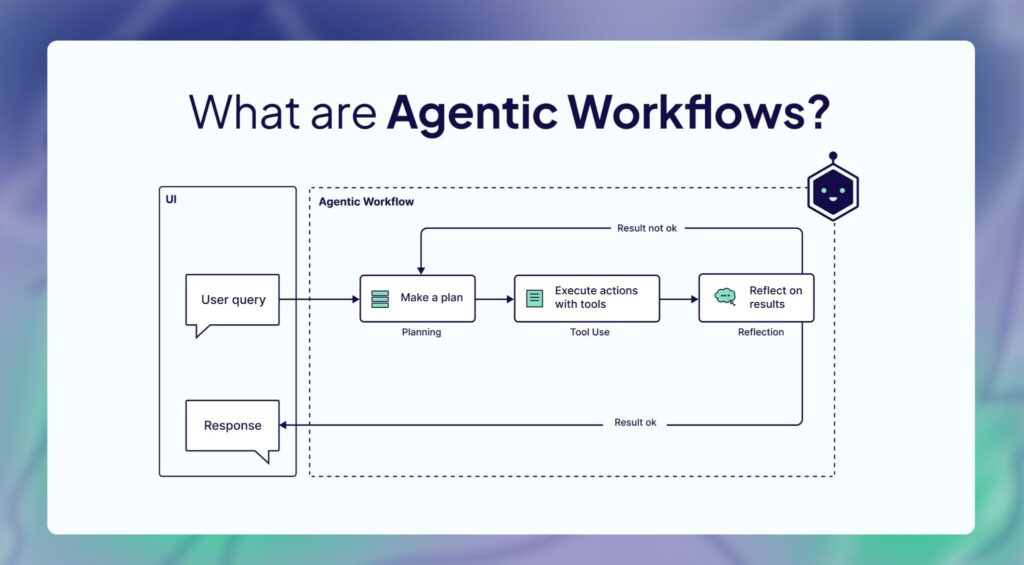
Agentic workflows represent more than just an upgrade; they feel like a quiet revolution unfolding beneath the surface of modern technology. Unlike traditional workflows that move in rigid, predictable lines, these systems breathe with a kind of intelligence. They don’t just follow instructions; they understand context, define objectives, and act with purpose, often without needing someone to guide every step. This isn’t simply about automating repetitive tasks anymore. It’s about building systems that can think, adapt, and decide, almost like a trusted partner working alongside you.
Imagine a testing workflow that doesn’t stop at identifying a problem. Instead, it digs deeper, uncovering the root cause, suggesting solutions, and sometimes even fixing the issue on its own. In that moment, the nature of work shifts. Teams are no longer trapped in endless cycles of small fixes; they are freed to focus on meaningful innovation and bigger ideas.
Now picture something more personal. Planning a trip. Traditionally, it’s a process filled with tabs, comparisons, second guesses, and time-consuming decisions. But with an agentic workflow, all you need is a simple intention:
“Plan a family vacation to Paris.”
From there, everything begins to unfold effortlessly. The system understands your preferences, weighs your budget, studies your schedule, and quietly builds the perfect plan. It doesn’t just book flights and hotels; it crafts an experience. It might recognize that flexible dates could unlock better deals, or that your interest in shows means aligning your itinerary with local performances.
These are not rigid calculations. They are thoughtful trade-offs, decisions that once required human intuition, now handled with remarkable fluidity. And that’s what makes agentic workflows so powerful. They don’t just make life easier. They change the way we approach problems altogether.
The Role of AI in Enabling Agentic Workflows
At the heart of every agentic workflow lies something powerful yet almost invisible: artificial intelligence. It’s the force that gives these systems their ability to understand, adapt, and act with purpose. AI doesn’t just process data; it absorbs it, learns from it, and turns it into meaningful decisions. It sees patterns that humans might miss and connects the dots at a speed we can barely imagine.
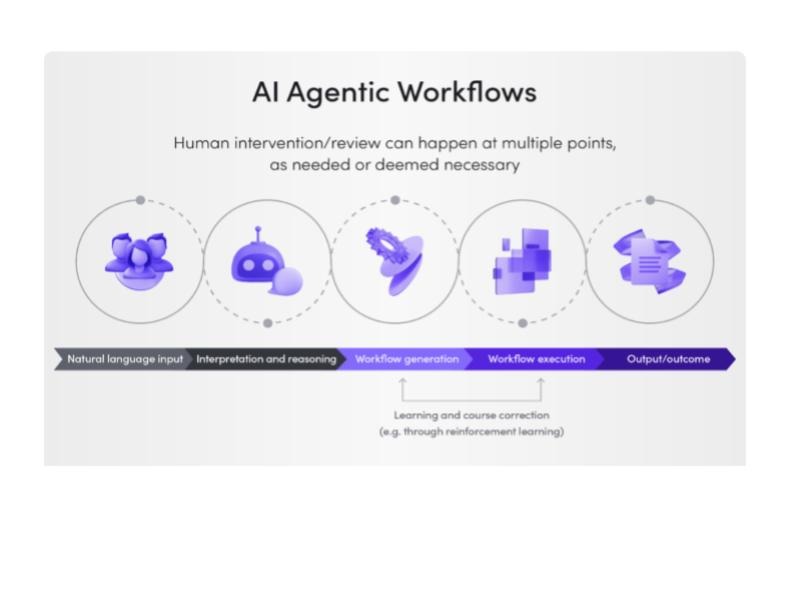
Tools like these are built with this vision in mind, bringing everything together across the software development lifecycle. They don’t just assist; they unify. Teams, tools, and processes begin to move in harmony, as if guided by a shared intelligence. These workflows are naturally goal-driven, constantly adjusting themselves to meet the unique demands of each project, no matter how complex or unpredictable.
What makes agentic workflows truly remarkable, though, is how effortlessly they fit into what already exists. There’s no need to tear everything down and start over. Instead, they slip quietly into current systems, enhancing them from within. It’s like giving your existing tools a new level of awareness, helping them understand data, relationships, and workflows almost the way a human would.
In a world where speed is everything and change is constant, this kind of adaptability isn’t just valuable; it’s essential. Agentic AI-powered workflows enable teams to stay agile, move faster, and respond to challenges with confidence. And in that transformation, something shifts. Work no longer feels like a constant race to keep up. It begins to feel like a system that moves with you, not against you.
Key Benefits for Development Teams
Agentic workflows offer numerous advantages for development teams:
- Optimized Efficiency: By automating routine and repetitive tasks, agentic workflows allow developers to dedicate more time to high-value, strategic activities.
- Dynamic Responsiveness: These workflows can adapt in real time, quickly adjusting to evolving requirements or unexpected challenges without disrupting progress.
- Improved Team Collaboration: Seamless integration across tools and teams enhances communication, minimizes silos, and keeps everyone aligned toward shared goals.
- Superior Output Quality: With proactive issue detection and resolution, agentic workflows help deliver more reliable, high-quality software at a faster pace.
Why Agentic Workflows Matter Today
Modern software systems are no longer simple applications. They are ecosystems of APIs, cloud services, microservices, and data pipelines. Managing this complexity manually is exhausting.
Agentic workflows matter because they:
- Reduce cognitive overload
- Accelerate development cycles
- Improve consistency and quality
- Enable smarter decision-making
More importantly, they give developers something priceless:
Time to think, design, and innovate.
How Agentic Workflows Work
At their core, agentic workflows operate through a combination of structured orchestration and intelligent execution.
1. Understanding Goals
Agents interpret high-level instructions and convert them into actionable steps.
2. Planning and Decomposition
Complex tasks are broken into smaller, manageable units.
3. Execution with Tools
Agents interact with APIs, databases, and development tools to perform actions.
4. Continuous Feedback
Outputs are validated using automated checks and refinement loops.
5. Iteration and Learning
Agents improve outcomes over time by learning from past actions.
This creates a workflow that is not linear but alive and evolving.
Key Components of Agentic Workflows
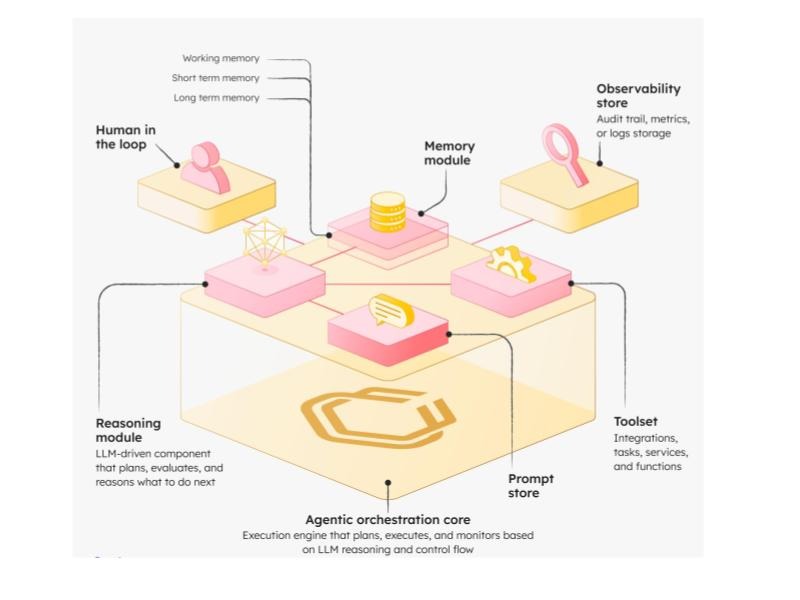
To truly understand their power, let’s explore the building blocks:
AI Agents
Autonomous entities that perform tasks, make decisions, and collaborate.
Large Language Models (LLMs)
Enable reasoning, code generation, and natural language understanding.
Tool Integration
APIs, databases, and external systems that expand agent capabilities.
Feedback Mechanisms
Human-in-the-loop systems and automated evaluations ensure quality.
Multi-Agent Systems
Different agents specialize in tasks like coding, testing, or architecture.
Workflow Orchestration
A deterministic layer that controls sequencing and ensures reliability.
How Agentic Workflows Transform Software Development
1. Smarter Planning
Agents can analyze requirements and automatically create:
- User stories
- Technical tasks
- Dependency maps
This reduces ambiguity and keeps teams aligned.
2. Intelligent Code Generation
Instead of writing boilerplate code, developers guide agents that:
- Generate modules
- Refactor legacy systems
- Suggest architectural improvements
It’s like having a tireless coding partner.
3. Automated Testing and Debugging
Agents can:
- Generate test cases
- Detect edge cases
- Diagnose failures
- Suggest or apply fixes
This dramatically improves software reliability.
4. Adaptive CI/CD Pipelines
Traditional pipelines follow fixed scripts.
Agentic workflows introduce intelligence by:
- Monitoring system health
- Adjusting deployments dynamically
- Preventing risky releases
5. Continuous Learning Systems
Every interaction improves future performance.
Agents don’t just execute, they evolve.
Real-World Applications
Agentic workflows are already shaping industries:
- Startups use them to scale faster with small teams
- Enterprises use them for complex system orchestration
- DevOps teams rely on them for monitoring and automation
- QA teams use them for intelligent testing
From building APIs to managing infrastructure, the impact is real and growing.
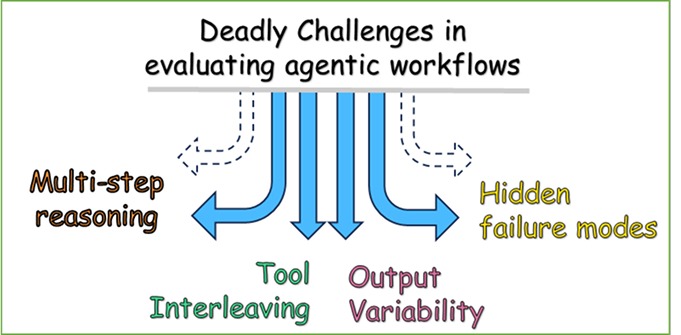
Challenges You Shouldn’t Ignore
Despite their power, agentic workflows come with challenges:
Trust in AI Decisions
Teams must learn to rely on systems they don’t fully control.
Security Risks
Autonomous systems interacting with production environments require strict governance.
Transparency Issues
Understanding why an agent made a decision is critical.
Learning Curve
Adoption requires new skills, tools, and mindset shifts.
The solution?
Balanced human oversight with intelligent autonomy.
The Future of Agentic Workflows
The next few years will significantly transform how software is built and delivered. Development is shifting away from fully manual processes toward a more intelligent, autonomous model powered by agentic workflows. In this new approach, developers will focus less on repetitive execution and more on guiding outcomes, while intelligent agents take on the responsibility of carrying out tasks. Systems will also become increasingly capable of learning from their own performance, continuously improving without waiting for manual intervention. This evolution will not only accelerate development cycles but also enable teams to experiment, iterate, and innovate at a much faster pace than ever before.
We are moving toward a world where:
- Developers act as orchestrators: They define goals, set constraints, and oversee the overall direction rather than managing every detail.
- Agents handle execution: Intelligent systems take care of coding, testing, debugging, deployment, and monitoring tasks autonomously.
- Systems continuously self-optimize: Applications learn from data and performance metrics to improve in real time without constant human input.
- Experimentation becomes rapid and scalable: Teams can run multiple feature experiments in a single day instead of spreading them over weeks.
- Innovation accelerates: With less time spent on routine work, teams can focus more on creativity, strategy, and solving complex problems.
What once seemed like a bold ambition is quickly becoming reality. This is the direction modern software development is heading.
Final Thoughts
Agentic workflows are not just a trend; they are a transformation.
They challenge everything we thought we knew about software development:
who does the work, how decisions are made, and how fast innovation can happen. But at their heart, they are not about replacing developers. They are about empowering them. Because when machines handle repetition, Humans are finally free to create, design, and imagine. And that’s where real progress begins.
FAQs
1. What is an agentic workflow in simple terms?
An agentic workflow is a system where AI agents perform tasks, make decisions, and adapt processes automatically with minimal human input.
2. How are agentic workflows different from traditional automation?
Traditional automation follows fixed rules, while agentic workflows are dynamic, adaptive, and capable of reasoning.
3. Are agentic workflows replacing developers?
No. They enhance developer productivity by handling repetitive tasks, allowing humans to focus on complex problem-solving.
4. What industries can benefit from agentic workflows?
Software development, healthcare, finance, DevOps, and customer support are among the key beneficiaries.
5. Are agentic workflows safe to use?
Yes, when combined with proper governance, monitoring, and human oversight mechanisms.
6. What skills are needed to work with agentic workflows?
Understanding AI tools, prompt engineering, system design, and workflow orchestration is essential.
7. What is the future of agentic workflows?
They will become standard in development environments, enabling faster, smarter, and more autonomous software creation.