
“Choosing between JavaScript and TypeScript isn’t about picking a winner; it’s about understanding your journey. JavaScript gives you the freedom to start fast and explore without limits, while TypeScript offers the structure and confidence you need as things grow. In the beginning, simplicity feels right, but over time, stability becomes essential. The real answer lies in knowing when to move from speed to certainty and growing into it naturally.”
Choosing a programming language isn’t just a technical decision; it’s an emotional one too. It’s about confidence, control, and the kind of developer experience you want every single day. When developers stand at the crossroads of JavaScript vs TypeScript, they’re not just picking syntax; they’re choosing how they want to build, scale, and feel about their code.
There’s no universal winner here. But there is a right choice for you, depending on what you’re building and where you’re headed.
Understanding the Core Difference
At its core, the JavaScript vs TypeScript conversation is not just about syntax or features; it’s about how you experience development. It’s the quiet tension between freedom and structure, speed and safety, instinct and intention.
JavaScript feels like open air. You write, you experiment, you move without hesitation. There’s a certain thrill in that freedom, the ability to bring ideas to life instantly without asking for permission from the language. But that same freedom can turn into uncertainty when your project grows, and the codebase becomes harder to control.
TypeScript, on the other hand, feels like guidance. It doesn’t take away your creativity; it channels it. It adds structure, predictability, and a sense of stability. At first, it may feel restrictive, even overwhelming. But over time, it becomes something you rely on, a quiet partner that helps you avoid mistakes before they happen.
Think of it this way:
JavaScript is improvisation. TypeScript is composed.
One lets you play freely. The other helps you create something that lasts.
Freedom vs Structure: A Deeper Breakdown
JavaScript — Freedom, Flexibility, Speed
- Move fast without friction
You can start coding immediately without worrying about types or strict rules. - Perfect for creativity and experimentation
Ideal for prototyping, testing ideas, and building MVPs quickly. - Dynamic typing = flexibility
Variables can change types anytime, giving you complete control. - Minimal setup
No compilation, no configuration, just write and run. - But comes with hidden risks
Errors often appear at runtime, sometimes when it’s too late.
TypeScript — Structure, Safety, Confidence
- Static typing = clarity
You know exactly what kind of data you’re working with at all times. - Catches errors early
Problems are detected while writing code, not after deployment. - Better for long-term projects
Keeps large codebases organized and maintainable. - Improved collaboration
Types act like documentation, making teamwork smoother. - Powerful tooling support
Autocomplete, refactoring, and intelligent suggestions boost productivity.
The Balance You Need to Find
- Choose JavaScript when you need speed, flexibility, and creative freedom.
- Choose TypeScript when you need stability, clarity, and long-term confidence.
Because in the end, it’s not about which language is better. It’s about which one makes you feel in control of your code, not overwhelmed by it.
What is JavaScript?
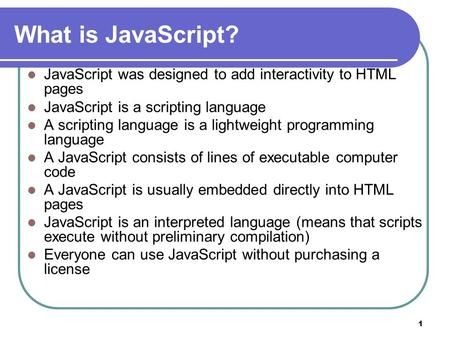
JavaScript is the heartbeat of the modern web, quiet, constant, and everywhere. Every click, every animation, every dynamic experience you see in a browser is, in some way, touched by it. It’s often the first language developers fall in love with, not because it’s perfect, but because it feels alive. You write a few lines, refresh the page, and something happens. Instantly. That feedback loop is powerful, almost addictive.
There’s a certain beauty in how approachable JavaScript is. You don’t need elaborate setups or complex configurations. You just open a browser, write your code, and watch it come to life. It welcomes beginners with open arms and gives experienced developers the freedom to move fast and think creatively. Its ecosystem is massive, its community is vibrant, and its possibilities feel endless. When you’re building a quick idea, a prototype, or even a full application, JavaScript feels like a trusted companion that never slows you down. But beneath that freedom lies a quiet complexity.
JavaScript’s dynamic typing is both its greatest strength and its most subtle weakness. Strict rules do not bind variables; they can change, evolve, and adapt at runtime. At first, this feels liberating. You don’t have to think about types or constraints. You just write.
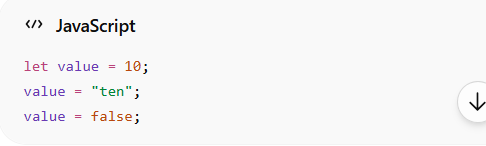
This flexibility gives you speed. It lets you experiment without friction. But as your project grows, that same freedom can begin to feel uncertain. Values shift, assumptions break, and bugs appear in places you didn’t expect. Sometimes, everything looks fine until it isn’t.
And that’s the emotional trade-off with JavaScript:
It gives you the joy of moving fast, but occasionally leaves you with the anxiety of “what did I miss?” It’s powerful, no doubt. But it asks something in return: awareness, discipline, and responsibility.
What is TypeScript?
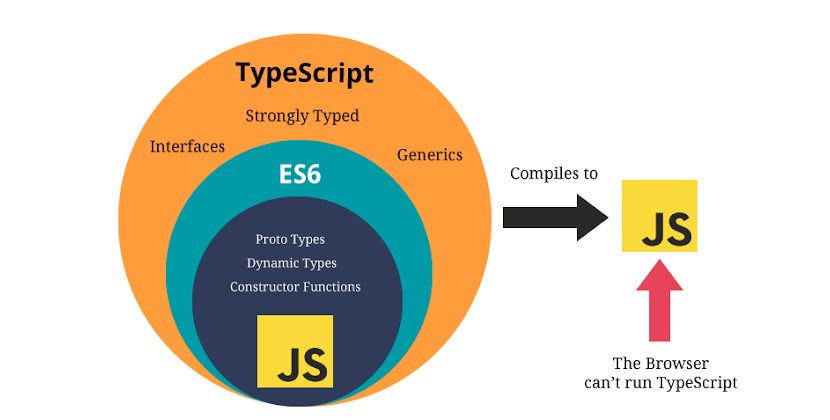
TypeScript doesn’t replace JavaScript; it grows out of it. It takes everything developers already love about JavaScript and gently adds structure, like turning raw potential into something more dependable. If JavaScript feels like freedom, TypeScript feels like control with confidence.
At first glance, TypeScript might seem like it’s adding extra steps, extra rules, extra effort. But beneath that surface, it’s doing something incredibly valuable: it’s watching your back. It introduces static typing and intelligent tooling that help you catch mistakes early, sometimes before you even realize you were about to make them. There’s a quiet reassurance in that.
Developers often choose TypeScript not because they have to, but because they’re tired of uncertainty. They want their code to be readable, predictable, and resilient, not just today, but months or years down the line.
Why developers choose TypeScript:
- Errors are caught before runtime
Instead of discovering problems after deployment, you see them while writing code. It feels like having a second pair of eyes that never gets tired. - Improved readability and maintainability
Types act like built-in documentation. When you revisit your code, it makes sense instantly, no guessing, no confusion. - Stronger IDE support
Autocompletion, smart suggestions, and safe refactoring make development smoother and faster. - Perfect for growing teams
When multiple developers work on the same project, TypeScript creates a shared understanding. It keeps everyone aligned.
But let’s be honest, it’s not all effortless.
The trade-off:
- Requires setup and compilation
You can’t just write and run. There’s a build step, a configuration, a process. - Steeper learning curve
At the beginning, it may feel like the language is slowing you down, asking you to think more before you write.
And yet, something changes over time.
That initial friction turns into clarity.
That extra effort turns into confidence.
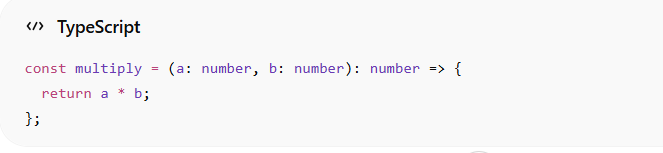
In this simple example, you already know what’s allowed and what’s not. There’s no ambiguity. No surprises waiting at runtime. If something is wrong, TypeScript tells you before the code even runs.
And that’s the real emotional shift:
You stop fearing hidden bugs. You stop second-guessing your code. TypeScript doesn’t just help you write better programs; it helps you feel secure in what you’ve built.
JavaScript vs TypeScript: Real Differences
1. Type System
- JavaScript: Dynamic typing
- TypeScript: Static typing
This is the biggest difference. It defines how safe or flexible your code is.
2. Error Handling
- JavaScript: Errors appear at runtime
- TypeScript: Errors are caught during development
This alone can save hours, even days of debugging.
3. Learning Curve
- JavaScript: Beginner-friendly
- TypeScript: Requires understanding of types
If you’re just starting, JavaScript feels natural. TypeScript feels like discipline.
4. Maintainability
- JavaScript: Harder at scale
- TypeScript: Built for large applications
As projects grow, structure becomes essential.
5. Performance
There’s a common myth here.
Reality:
TypeScript and JavaScript have the same runtime performance.
Why? Because TypeScript compiles into JavaScript before execution.
| Aspects | JavaScript | TypeScript |
| Language Fundamentals | Most popular programmatic language for web developmentSupports dynamic typingSupports automatic type coercion | Built on top of JavaScript/superset of JavaScriptSupports static typingExtends JavaScript by adding features like interfaces, enums, and advanced type-checking. |
| Type System | Dynamic typingVariables are assigned a type at runtime/ variable types can change during runtime.Loose syntax provides flexibilityLimited support for type-related features | Static typingTypes are defined at compile-timeUses type annotations to declare types within code explicitly Supports advanced type-checking features, such as intersection types, conditional types, generics, and union types |
| Tooling and Development Experience | Vast ecosystem with a variety of tools, JS frameworks, and libraries.Limited tooling for catching errors during developmentProvides flexibility to work with different data types without worrying about type declarationsDynamic typing makes prototyping easier | Utilizes the JavaScript ecosystem.Improves code predictability through type annotations/static typingEarly error detection |
| Benefits | Various JS frameworks, tools, and libraries are available that accelerate web developmentHuge and active community of developersLots of learning resources are available on the web | Makes the code easier to maintainEnhanced refactoring supportSupports advanced type-checking features that enable developers to express complex relationships between types. |
When JavaScript is the Right Choice
JavaScript shines when speed and simplicity matter most.
Use JavaScript if:
- You’re building an MVP or prototype
- You’re working solo
- The project is small or short-term
- You want minimal setup
In these moments, JavaScript feels liberating. You just build.
When TypeScript is the Better Choice
TypeScript becomes invaluable when complexity increases.
Use TypeScript if:
- You’re working in a team
- The project will scale over time
- You’re building APIs or enterprise apps
- You need long-term maintainability
TypeScript doesn’t just help you write code; it helps you trust it.
The Emotional Reality Developers Don’t Talk About
Here’s the part most technical comparisons quietly ignore: the feeling of using each language. Because beyond syntax, performance, or tooling, what really shapes your experience is how a language makes you feel while you’re building something that matters.
JavaScript fills you with energy. It’s fast, responsive, and almost effortless. You write a few lines, and things start working instantly. There’s a rush in that sense that nothing is stopping you. You feel productive, creative, even unstoppable. But that feeling can be fragile. Because somewhere down the line, when your project grows and complexity creeps in, something unexpected breaks. And in that moment, the excitement turns into doubt. You start questioning what went wrong, where the issue is hiding, and how long it will take to fix.
TypeScript feels different from the very beginning. It slows you down, not to frustrate you, but to guide you. It asks you to think more, define more, and be more intentional. At first, it can feel like resistance. But over time, that resistance transforms into trust. You begin to rely on it. You notice fewer surprises, fewer late-night debugging sessions, fewer “how did this even happen?” moments. And that’s when you realize you’re not just coding anymore, you’re building with confidence.
That emotional trade-off is subtle, but powerful. It shapes how you work, how you think, and even how you feel at the end of the day.
The Emotional Trade-Off: A Closer Look
JavaScript — Speed & Excitement
- Instant gratification
You write code and see results immediately, no barriers, no delays. - Creative freedom
You can experiment, explore, and build without constraints. - Fast momentum
Perfect for when you’re in the flow and ideas are coming quickly. - But unpredictable at scale
As projects grow, hidden issues can surface unexpectedly.
TypeScript — Confidence & Peace of Mind
- Guided development
It encourages you to think before you write, reducing careless mistakes. - Early error detection
Problems are caught before they become real issues. - Consistency and clarity
Your code becomes easier to understand, even weeks or months later. - Reliability over time
Especially valuable in large or long-term projects.
Why This Trade-Off Matters
- Speed without control can lead to stress later
- Structure without flexibility can feel restrictive early on
- The right balance depends on your project and mindset
In the end, this isn’t just a technical decision. It’s about how you want to feel while building excitement in the moment, or confident in the long run.
Final Thoughts
The question isn’t really “JavaScript or TypeScript?” It’s much deeper than that. The real question is: what does your project need right now, and where is it going next? Every developer starts somewhere, often with curiosity, urgency, or a simple idea they want to bring to life. In those moments, simplicity matters. Speed matters. That’s where JavaScript shines: it lets you explore, learn, and build without hesitation. But as your project grows, as more people get involved, and as the stakes become higher, your needs begin to change. You start craving structure, clarity, and reliability, and that’s when TypeScript naturally enters the picture. It’s not a replacement, and it’s not a rival. It’s a progression. You don’t abandon JavaScript; you evolve from it. You start simple, you learn deeply, and then you grow wisely. And somewhere along that journey, almost without realizing it, you move from writing code that works… to building systems you can truly trust.
FAQs
1. Is TypeScript better than JavaScript?
Not universally. TypeScript is better for large, complex projects, while JavaScript is better for quick and simple development.
2. Should beginners start with TypeScript?
It’s better to start with JavaScript first, then move to TypeScript once you understand the basics.
3. Does TypeScript slow down development?
Initially, yes. But over time, it speeds things up by reducing bugs and improving code clarity.
4. Can I use both in the same project?
Yes. Many teams gradually migrate from JavaScript to TypeScript.
5. Is TypeScript the future of web development?
It’s becoming the standard for professional development, but JavaScript will always remain the foundation.
6. Does TypeScript eliminate all bugs?
No. It reduces many common errors, but logic mistakes can still happen.
7. Is TypeScript worth it for small projects?
Usually not. For small or short-term projects, JavaScript is often enough.
8. What is the biggest advantage of TypeScript?
Early error detection and better maintainability.
9. Do companies prefer TypeScript?
Yes, especially for large-scale and enterprise applications.
10. Can TypeScript run directly in the browser?
No. It must be compiled into JavaScript first.